

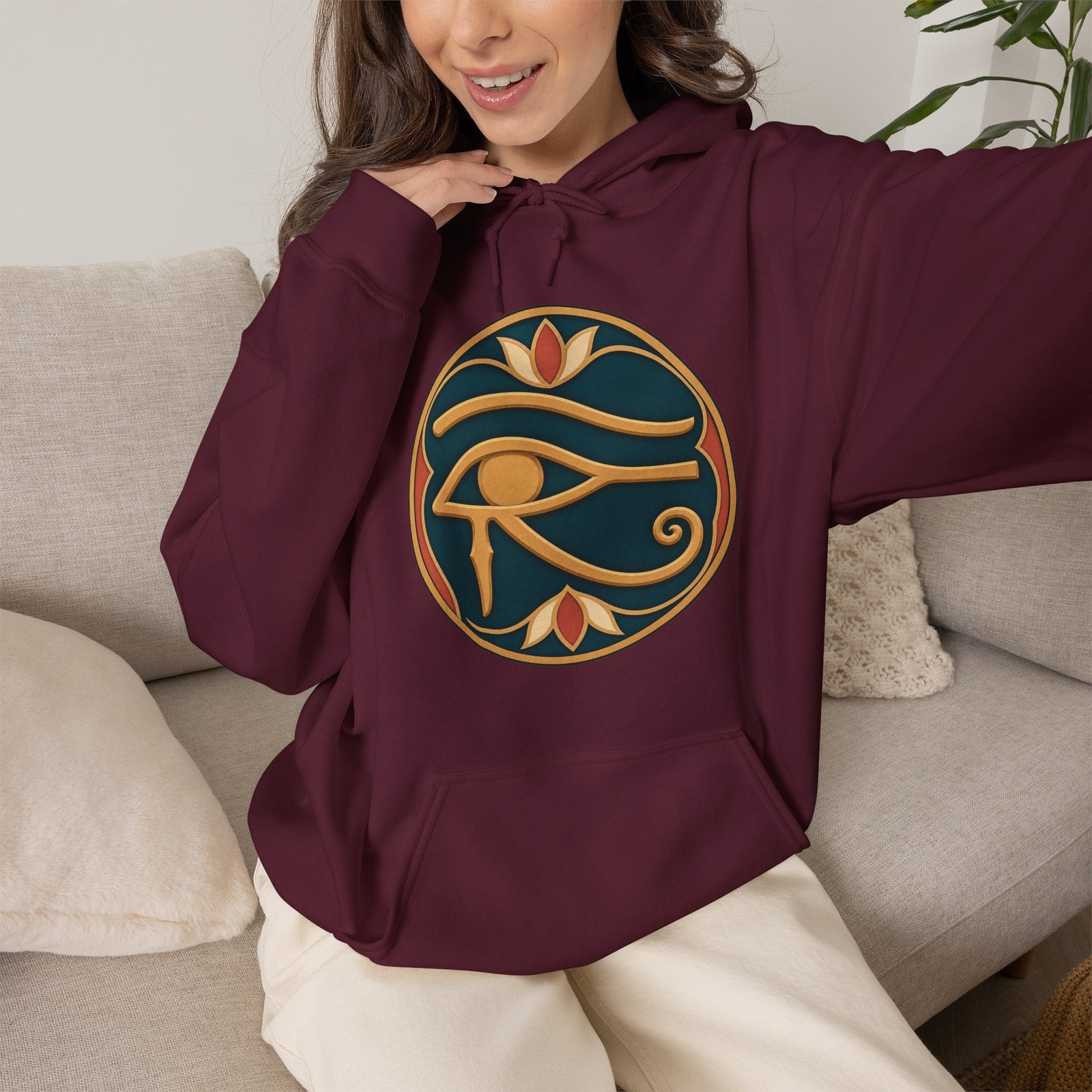
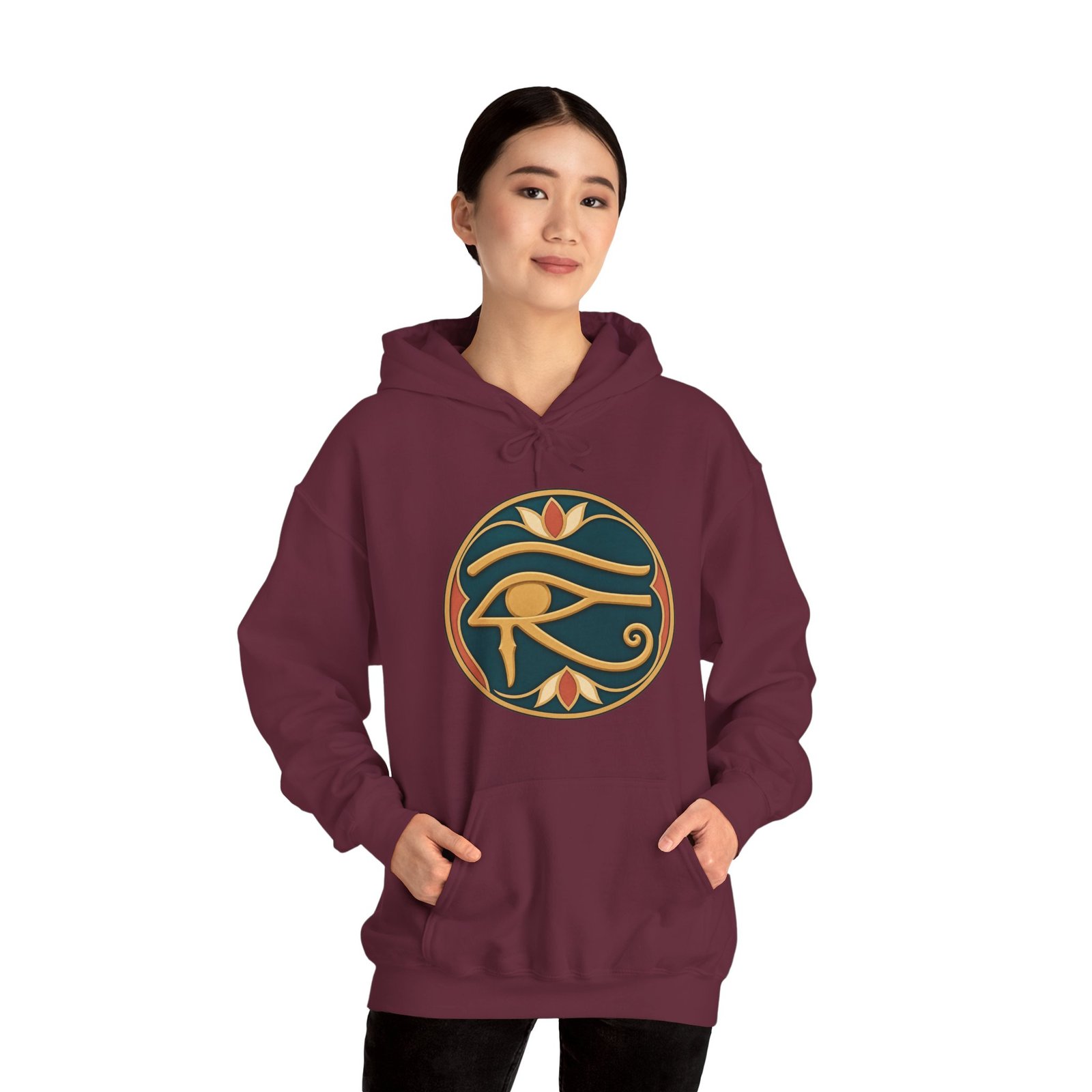

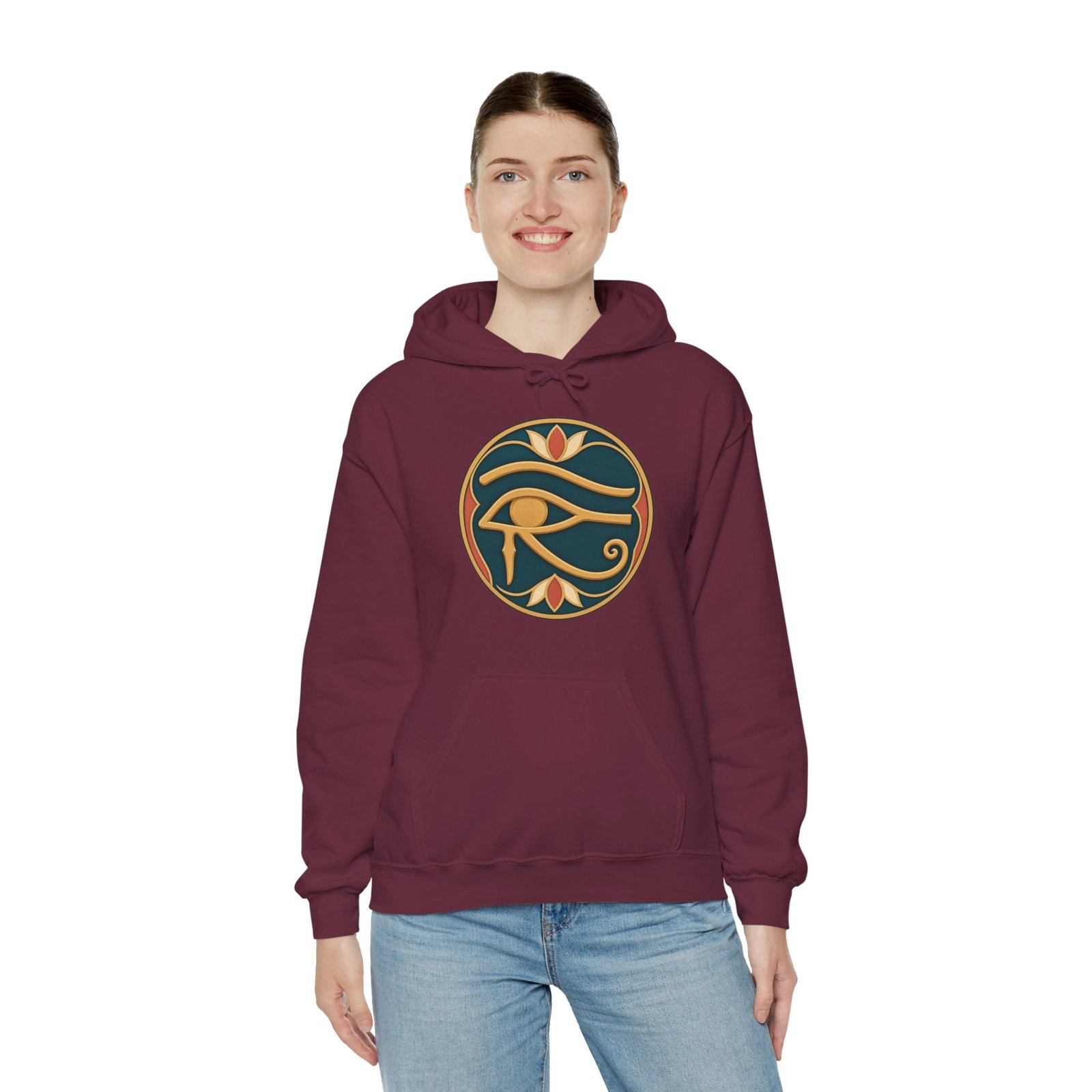


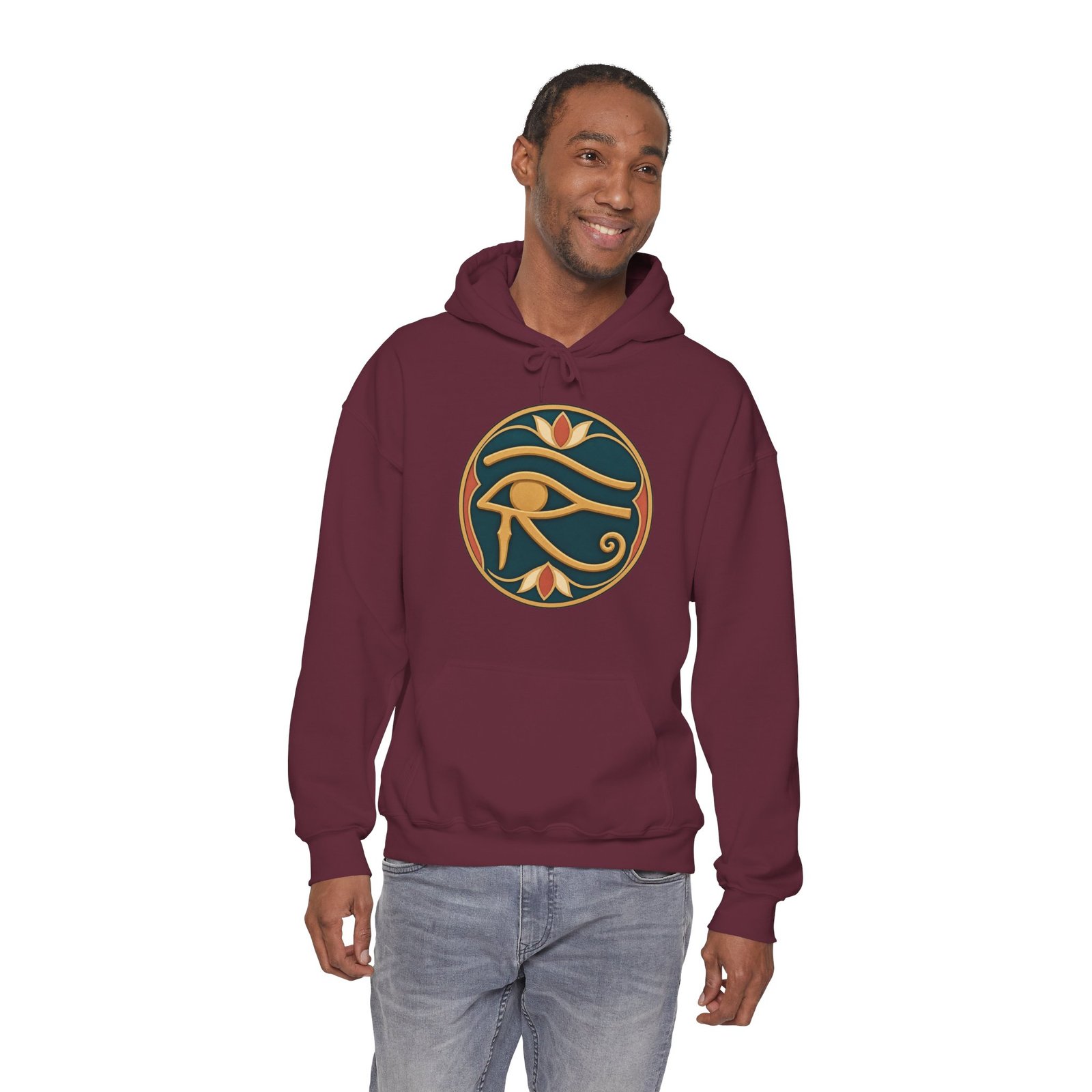

















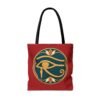

Description
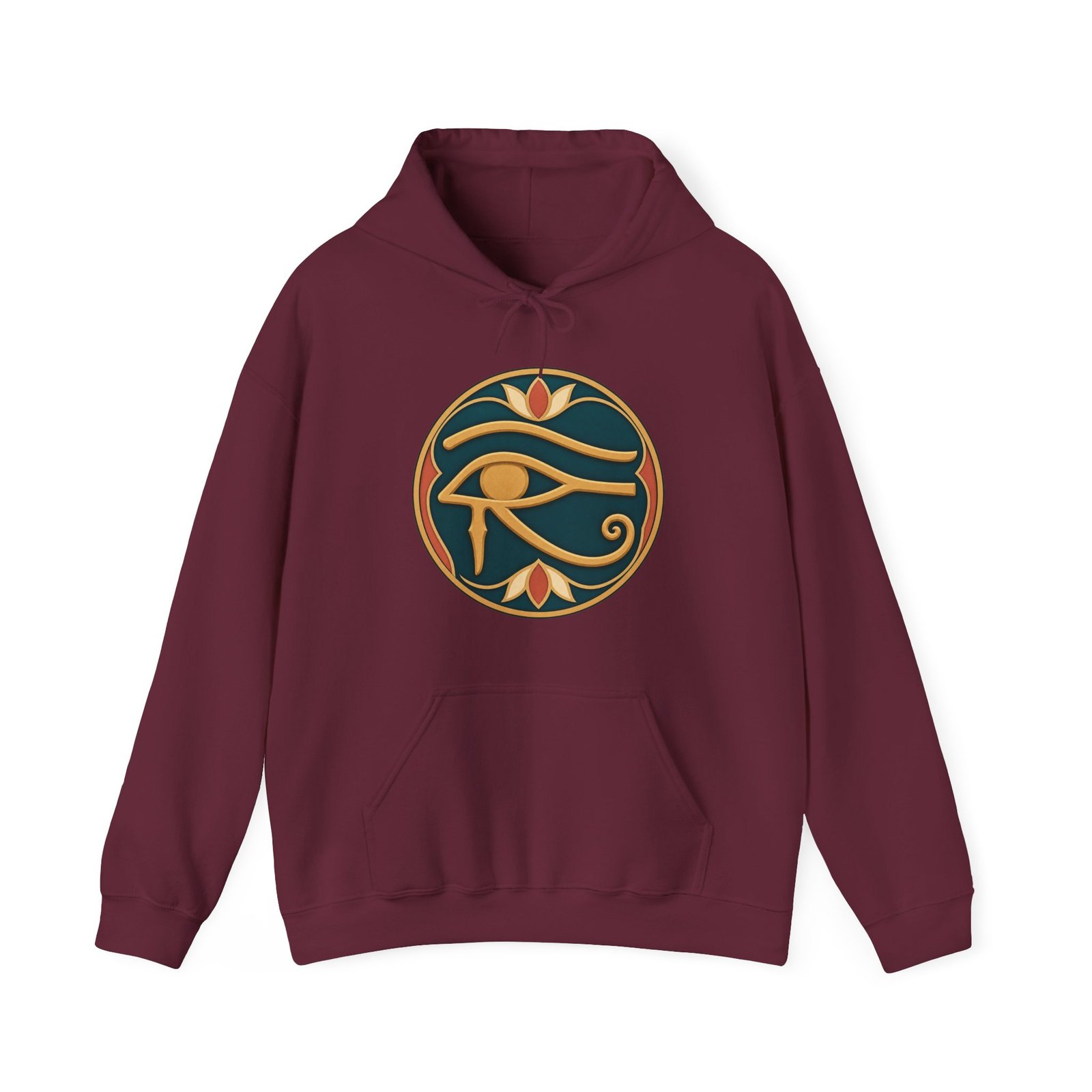
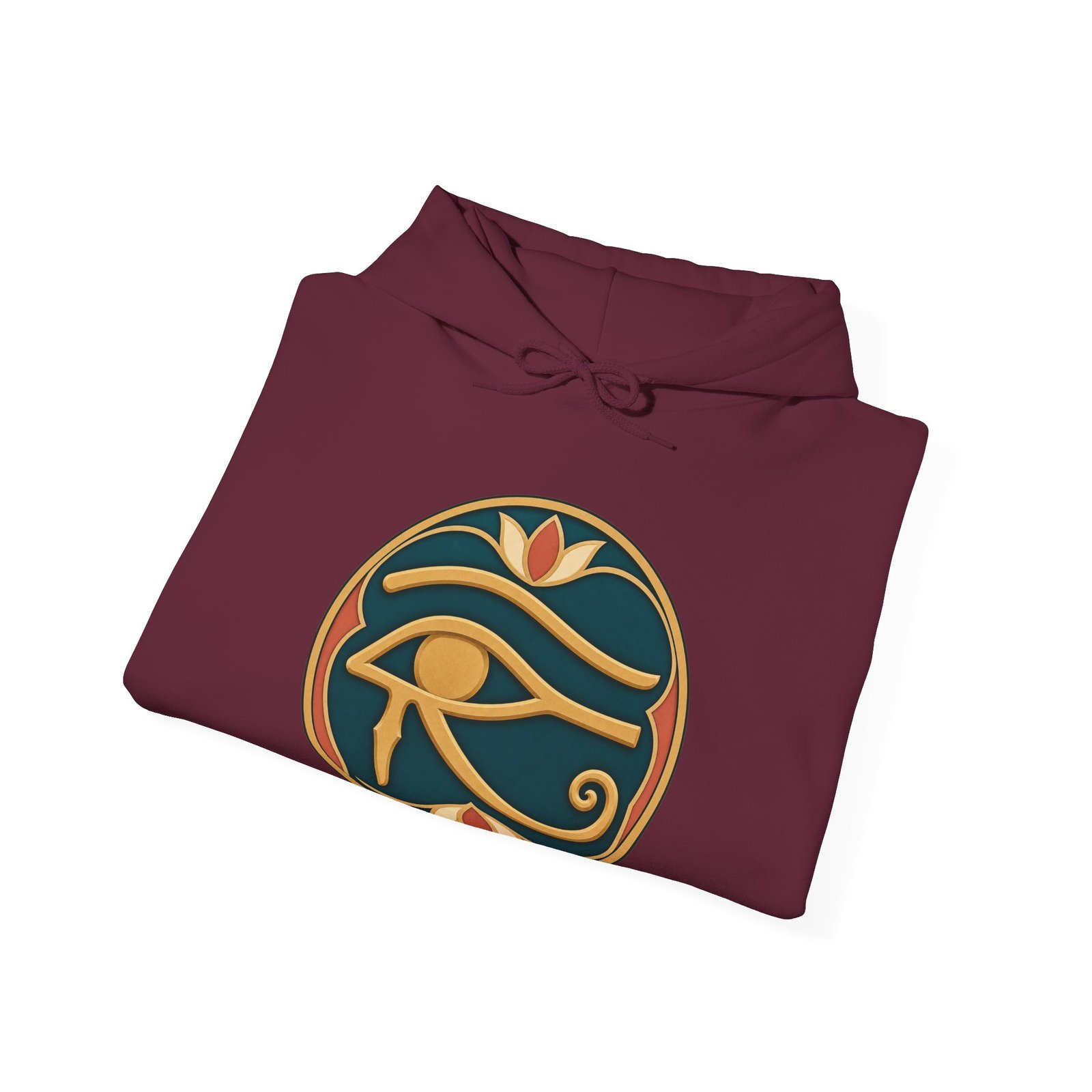
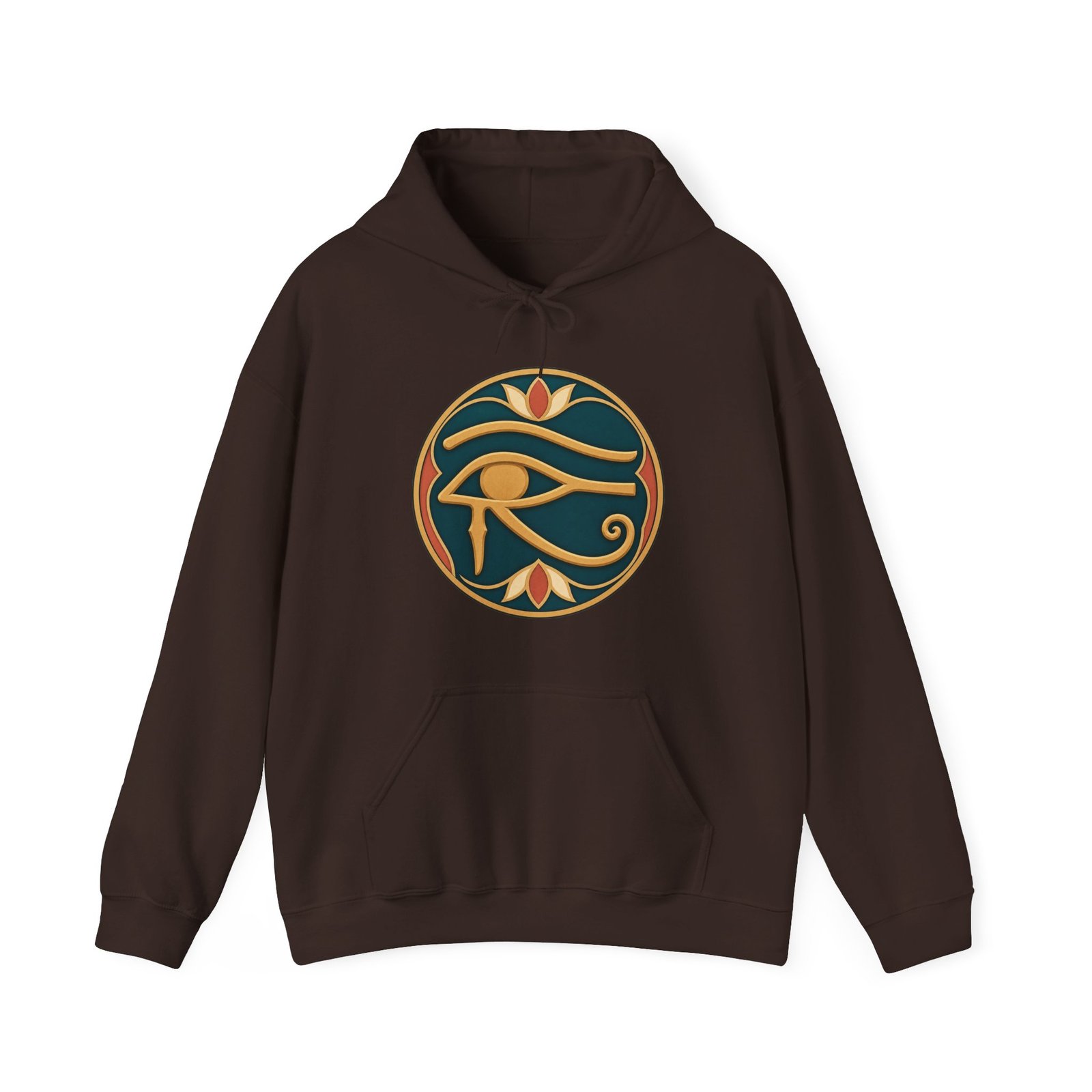
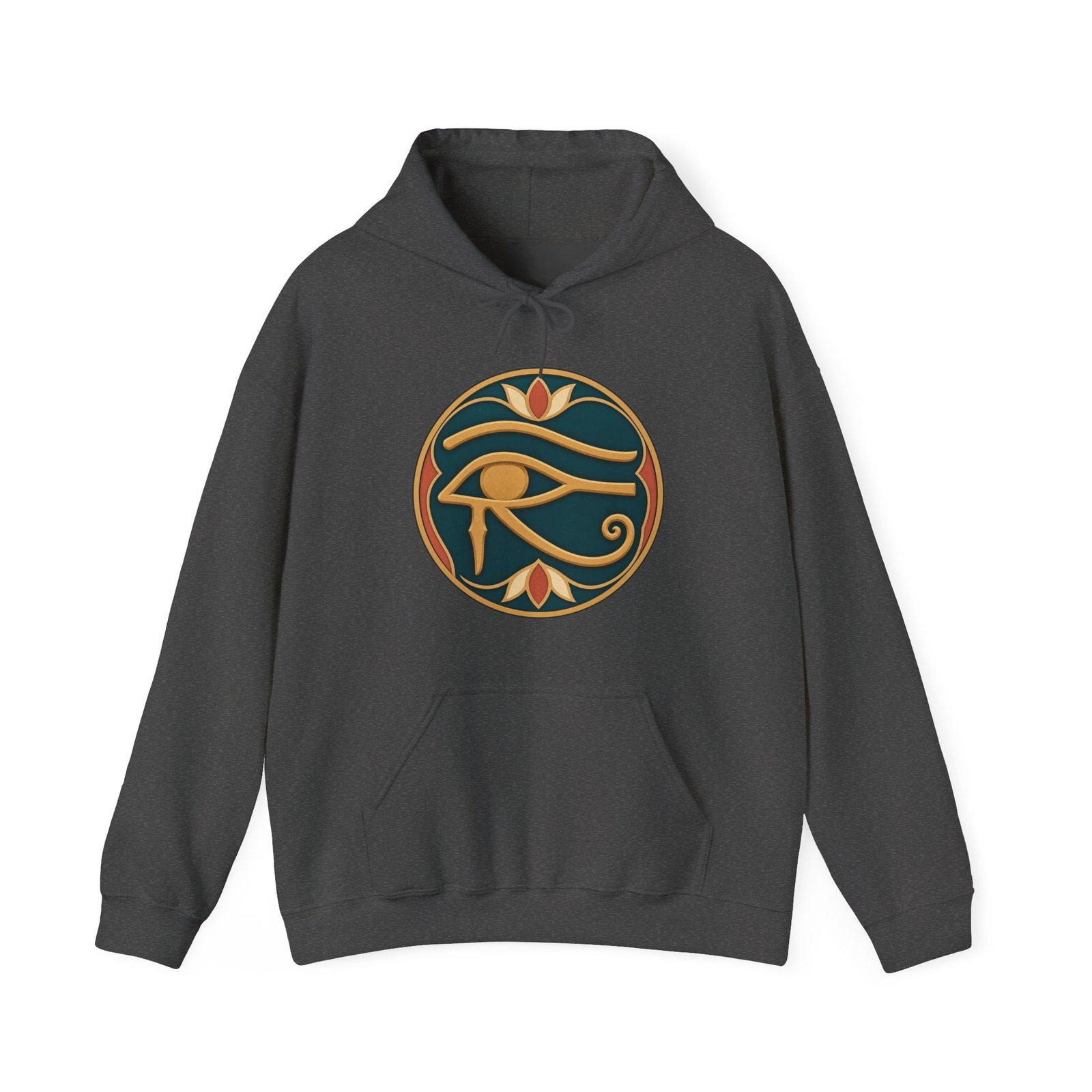
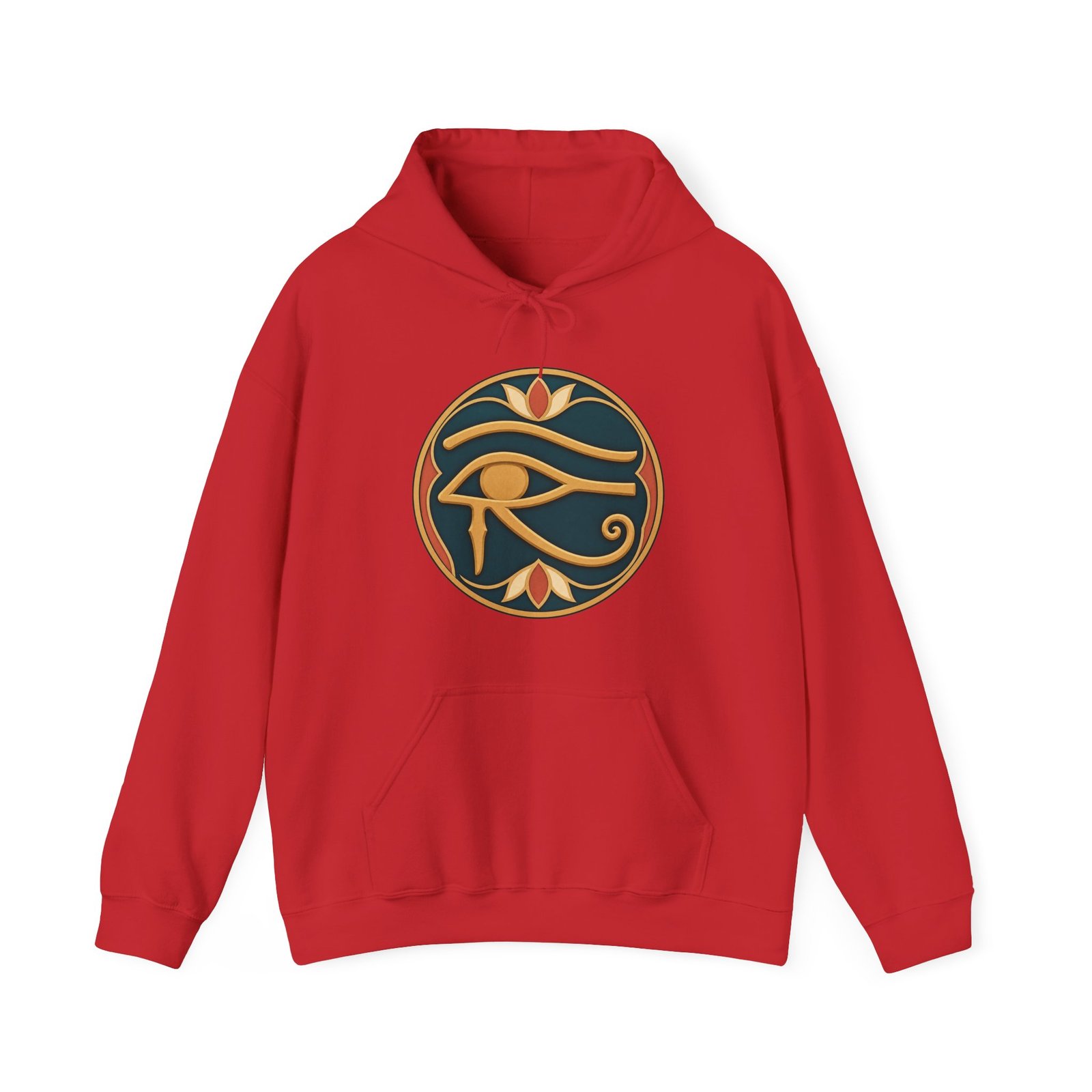
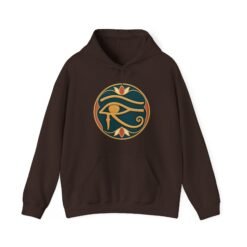
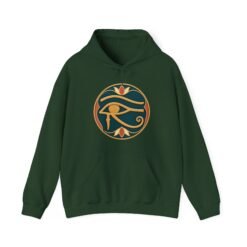
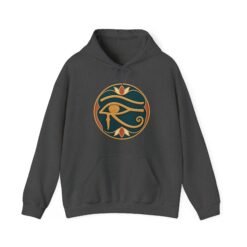
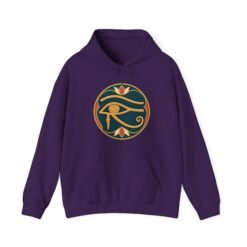
Eye of Horus – Unisex Hoodie – Ancient Egyptian Symbol & Mythology Sweatshirt
Some hoodies have logos.
Some have slogans.
This one has several thousand years of history staring back at you.
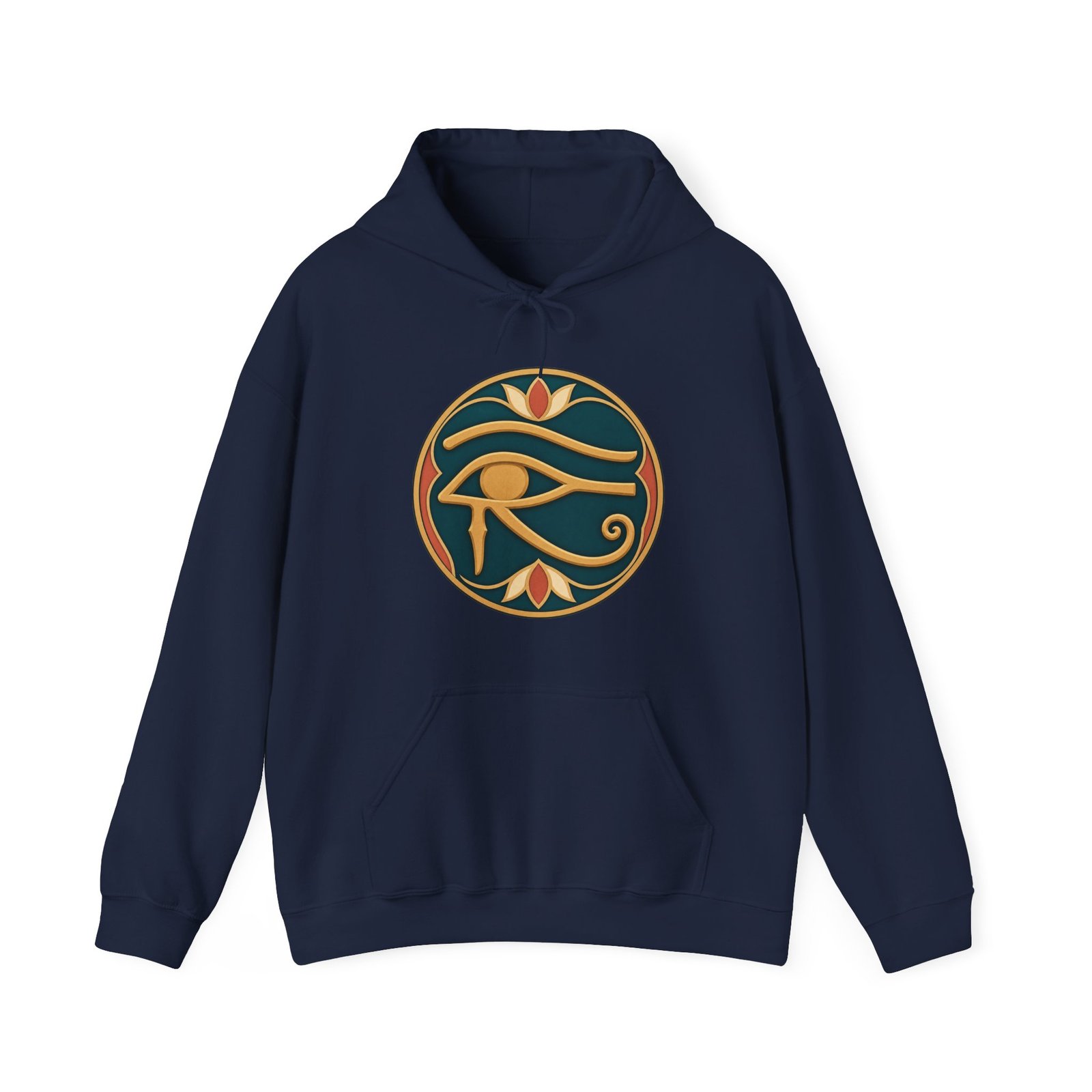
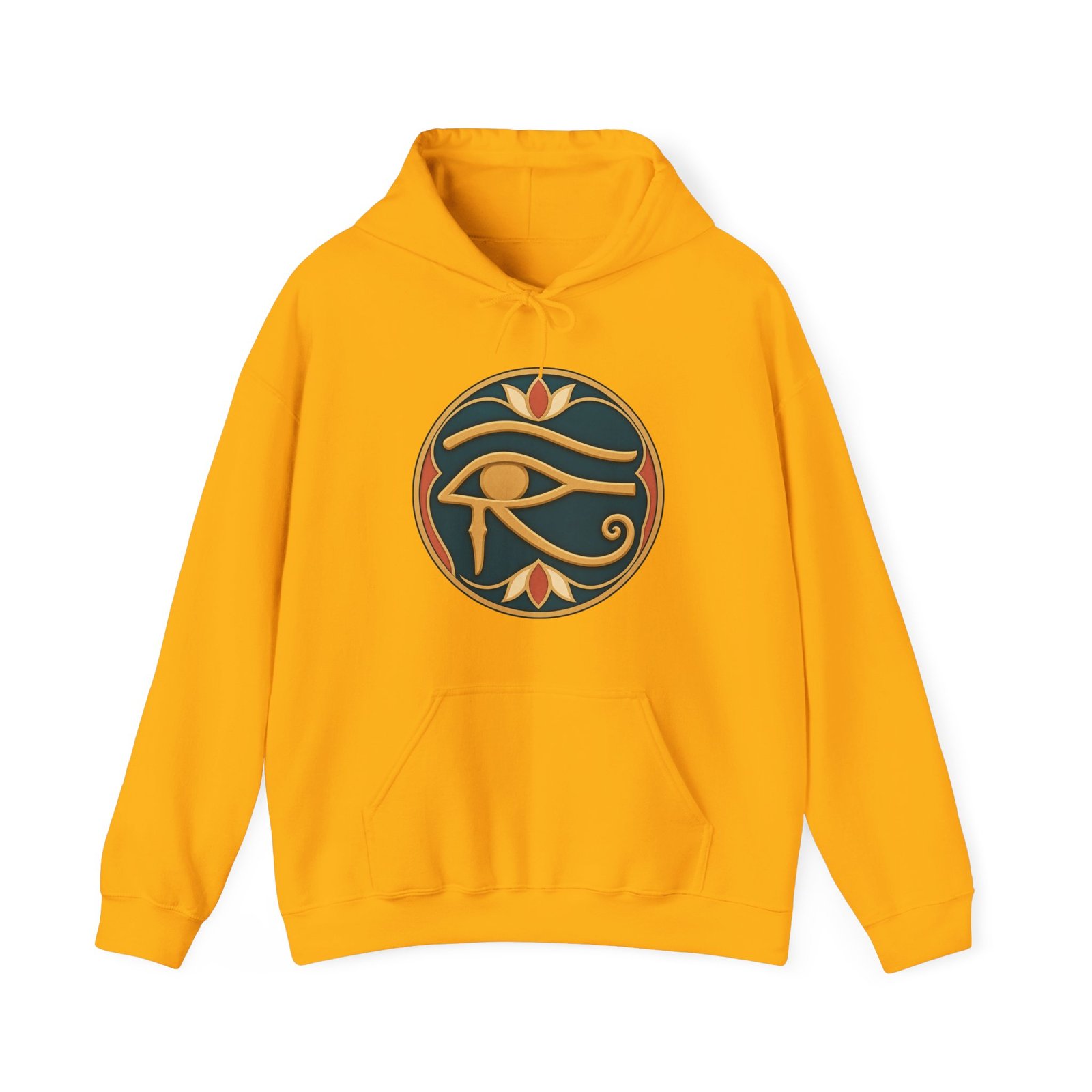
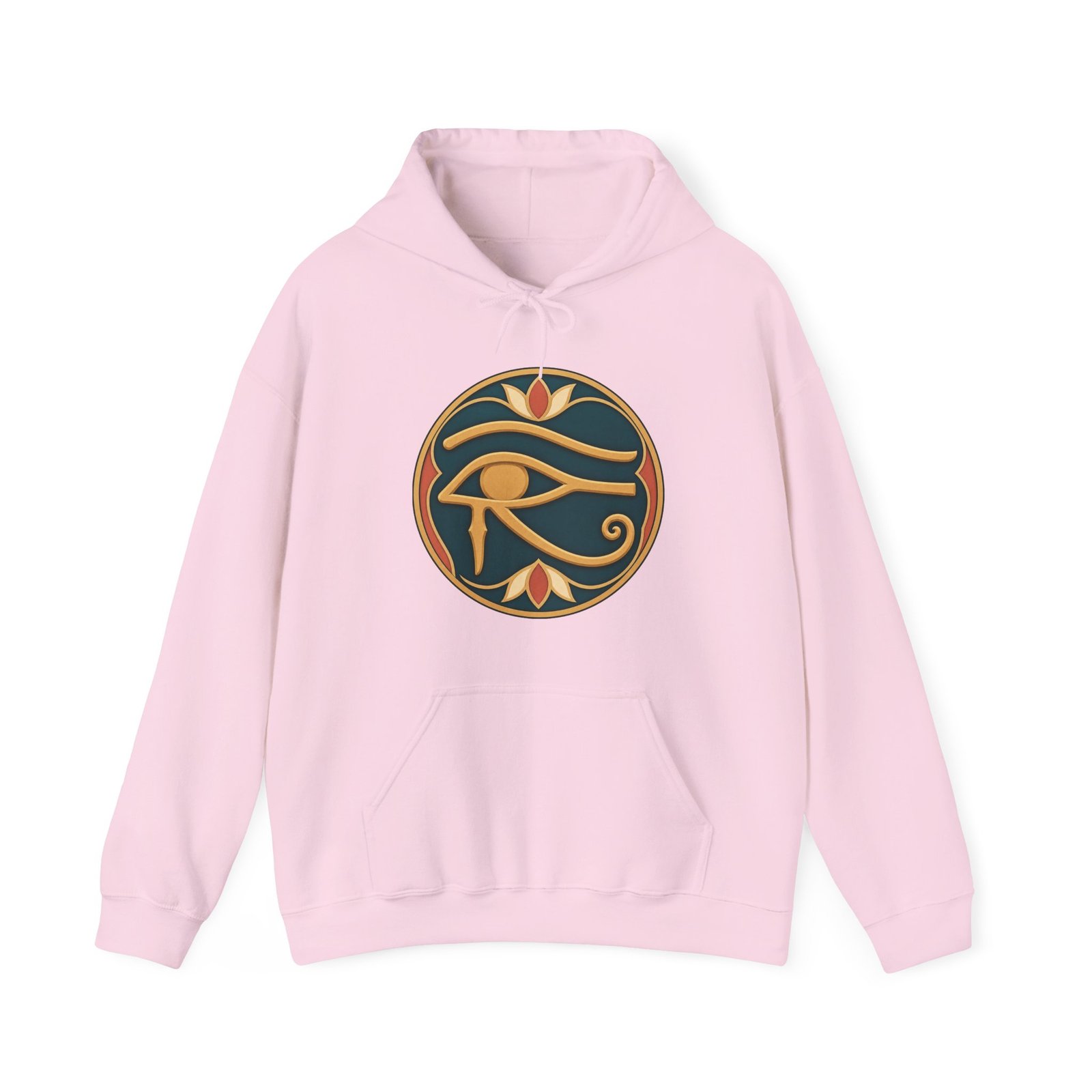
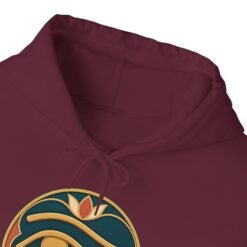
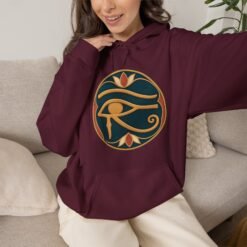
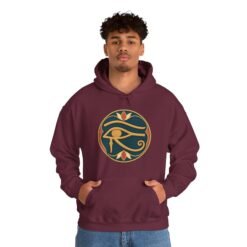
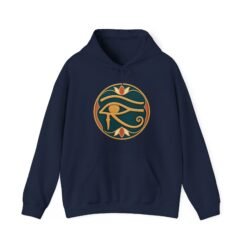
Bring the mystery and visual power of Ancient Egypt into your everyday style with the Eye of Horus Unisex Hoodie, featuring one of the ancient world’s most recognizable symbols.
Known in ancient Egyptian tradition as the wedjat, the Eye of Horus became associated with protection, healing, restoration, and wholeness.
It’s ancient mythology transformed into wearable art—perfect for anyone fascinated by Egyptian history, archaeology, pharaohs, temples, hieroglyphs, and the symbols that have survived for thousands of years.
Basically…
your hoodie has a better backstory than most movies.
Why You’ll Love It:
- Iconic Eye of Horus Graphic – Features one of the most recognizable symbols associated with Ancient Egyptian culture.
- Meaningful Historical Symbolism – The wedjat eye was historically associated with protection, healing, restoration, and wholeness.
- Ancient Egypt Meets Modern Style – A distinctive graphic hoodie for anyone who prefers their wardrobe with a little history attached.
- Perfect for Egyptology Fans – Great for people fascinated by pyramids, pharaohs, temples, hieroglyphs, archaeology, mythology, and ancient civilizations.
- Conversation-Starting Design – Fellow history buffs and mythology fans may recognize the Eye of Horus immediately.
- Made for Everyday Adventures – A natural choice for museums, bookstores, classes, conventions, travel, road trips, casual weekends, and cooler days.
- Memorable History Lover Gift – Perfect for Egyptology enthusiasts, archaeology students, history teachers, museum lovers, mythology readers, travelers, and documentary addicts.
You Have Three Hours Before Your Flight
Vacation.
Day four.
6:42 PM.
You should be packing.
You are not packing.
Instead, you’re sitting on hotel bed wearing your Eye of Horus Hoodie and examining today’s purchases.
One museum guidebook.
Two postcards.
Small replica scarab.
Book about Egyptian mythology.
Another book about ancient architecture.
Tiny statue you absolutely did not need.
You pick it up.
Look at it.
Okay.
Maybe you needed it.
Travel companion walks into room.
Stops.
Looks at bed.
“What happened?”
“What?”
They point.
“To all this.”
“Museum gift shop.”
“I left you alone for twenty minutes.”
“It was a very productive twenty minutes.”
They pick up mythology book.
“You bought another book?”
“Research.”
“For what?”
You gesture toward hoodie.
“Context.”
They stare.
“You bought forty-dollar book to understand your sweatshirt?”
“Hoodie.”
“That is not important part of sentence.”
Accuracy is always important.
You begin packing.
Or attempting to.
The Airport Incident
Next morning.
Airport.
7:16 AM.
You are wearing Eye of Horus hoodie again.
Comfortable travel outfit.
Coffee acquired.
Bag packed.
Boarding pass ready.
Mostly functioning.
You sit near gate.
Older gentleman across from you looks at hoodie.
Then looks again.
Finally:
“Is that the Eye of Horus?”
You smile.
“Yep.”
He nods.
“Thought so.”
Back to newspaper.
Perfect.
Five minutes later:
“What does it symbolize?”
And there it is.
You could give short answer.
You should give short answer.
Your flight boards in forty minutes.
Instead:
“Well…”
Dangerous.
“The Eye of Horus was traditionally associated with protection, healing, restoration, and wholeness.”
He folds newspaper.
“Interesting. Why?”
Your travel companion hears this.
Looks over.
Whispers:
“No.”
Too late.
There’s a Whole Story Behind That Eye
The Eye of Horus wasn’t simply an attractive decorative motif.
Its symbolism is connected to Horus, one of the important deities of ancient Egyptian religion.
Horus was strongly associated with falcon imagery and kingship and could be represented as a falcon or as a falcon-headed man.
The mythology surrounding his eye involves conflict between Horus and Seth.
Following the death of Horus’s father, Osiris, traditions describe a struggle involving kingship and succession.
And because this is mythology rather than corporate arbitration…
things get dramatic.
During the conflict, Horus’s eye is damaged or lost.
Eventually, it is restored.
That restoration helped connect the wedjat eye with concepts such as healing, completeness, and restored order.
Eye of Horus imagery appeared on amulets and other objects and was used in protective and funerary contexts in ancient Egypt.
The gentleman nods.
“So people actually wore the symbol?”
“Wedjat eye amulets existed, yes.”
Travel companion looks at clock.
“You have twenty-eight minutes.”
“We’re almost finished.”
Gentleman:
“Don’t rush. This is interesting.”
Travel companion:
“Please don’t encourage this.”
Several Thousand Years Later…
That’s the extraordinary part.
Ancient Egyptian civilization developed across an enormous span of history.
Dynasties rose.
Dynasties fell.
Pharaohs ruled.
Temples were constructed.
Religious traditions evolved.
Languages changed.
Cultures interacted.
Entire political worlds disappeared.
Yet thousands of years later…
someone can look across an airport terminal at your hoodie and say:
“That’s the Eye of Horus.”
That’s serious staying power.
Most modern logos would be thrilled to remain recognizable for fifty years.
The wedjat eye?
Different league.
Why the Eye Still Fascinates People
Ancient Egypt has a remarkable ability to capture people’s imagination.
The pyramids.
Pharaohs.
Hieroglyphs.
Temples.
Tombs.
Mummies.
Mythology.
Archaeology.
Monumental statues.
Objects buried for thousands of years and eventually rediscovered.
There’s always another story.
Another artifact.
Another mystery.
Another question.
And the Eye of Horus sits right in the middle of that fascination.
Its distinctive form makes it instantly recognizable even to many people who don’t know its complete history.
For Egyptology fans?
Even better.
They see the eye and know there’s a much bigger story behind it.
The Documentary Problem
Three days after vacation.
Home.
9:37 PM.
You should go to bed.
Instead…
documentary.
Ancient Egypt.
Obviously.
You’re wearing hoodie.
Obviously.
Documentary narrator says:
“Archaeologists discovered—”
You lean forward.
This is how it starts.
Ten minutes later you’re completely invested.
An archaeologist brushes sand from tiny object.
You whisper:
“What is it?”
Travel companion walks through room.
Looks at television.
Looks at hoodie.
Looks at you.
“Again?”
“Shhh.”
On screen, archaeologist reveals small artifact.
Everyone gets excited.
Travel companion:
“It’s tiny.”
“That’s not point.”
“What is it?”
“I don’t know yet.”
“Then why are you excited?”
“Because they’re excited.”
Perfectly logical.
Twenty minutes later you’re searching information on phone.
Then another documentary appears in recommendations.
You click.
Mistake.
Midnight.
Still watching.
Travel companion returns.
“You’re still awake?”
“They found tomb.”
“Of course they did.”
The Museum Test
Eventually you wear hoodie to ancient-history museum.
Now everything makes sense.
Statues.
Reliefs.
Amulets.
Hieroglyphic writing.
Funerary objects.
Artifacts thousands of years old.
You stop at display.
There it is.
Familiar eye motif.
The wedjat.
You look at artifact.
Then hoodie.
Excellent.
Person beside you notices.
They look at exhibit.
Look at your hoodie.
Smile.
“Appropriate outfit.”
“Thank you.”
They walk away.
Finally.
Someone appreciates preparation.
Then your travel companion appears.
Holding museum gift-shop bag.
You stare.
“What did you buy?”
“Nothing.”
Bag contains clearly rectangular book.
“You bought book.”
“No.”
“You absolutely bought book.”
They sigh.
“Fine. One.”
You smile.
“Research?”
They glare.
Victory.
For People Who Think History Is Never Boring
That’s who the Eye of Horus Unisex Hoodie is really for.
People who walk into museum intending to stay an hour and emerge four hours later.
People who watch archaeology documentaries recreationally.
People who stop reading historical plaque even when everyone else keeps walking.
People whose bookshelves contain sections labeled:
Egypt.
Rome.
Greece.
Mythology.
Archaeology.
People who hear:
“They discovered a previously unknown tomb…”
and immediately cancel whatever else they were doing.
Maybe that’s you.
Maybe you teach history.
Study archaeology.
Love mythology.
Collect Egyptian-inspired artwork.
Travel specifically to visit museums and historical sites.
Or maybe you simply love the unmistakable visual style of the Eye of Horus.
You don’t need Egyptology degree to wear it.
But be warned:
The hoodie may reveal where fellow history nerds are hiding.
Bookstore.
Coffee shop.
Airport.
Museum.
Convention.
Eventually someone will notice.
They’ll point at the eye.
They’ll ask:
“Is that Horus?”
You have two options.
Smile.
Say:
“Yes.”
Continue with day.
Or…
check how much time you have.
Get comfortable.
And say:
“Well, there’s a story…”
HOOD: UP.
HISTORY: ANCIENT.
SYMBOL: ICONIC.
MYTHOLOGY: EPIC.
GIFT SHOP: DANGEROUS.
THE EYE OF HORUS.
THOUSANDS OF YEARS OF HISTORY. ONE UNMISTAKABLE DESIGN.
Tags: Eye of Horus Hoodie, Ancient Egypt Hoodie, Egyptian Hoodie, Eye of Horus Sweatshirt, Ancient Egyptian Hoodie, Egyptian Symbol Hoodie, Egyptian Mythology Hoodie, Horus Hoodie, Wedjat Eye Hoodie, Egyptology Hoodie, Archaeology Hoodie, History Lover Hoodie, Egyptian History Gift, Ancient Egypt Gift, Egyptology Gift
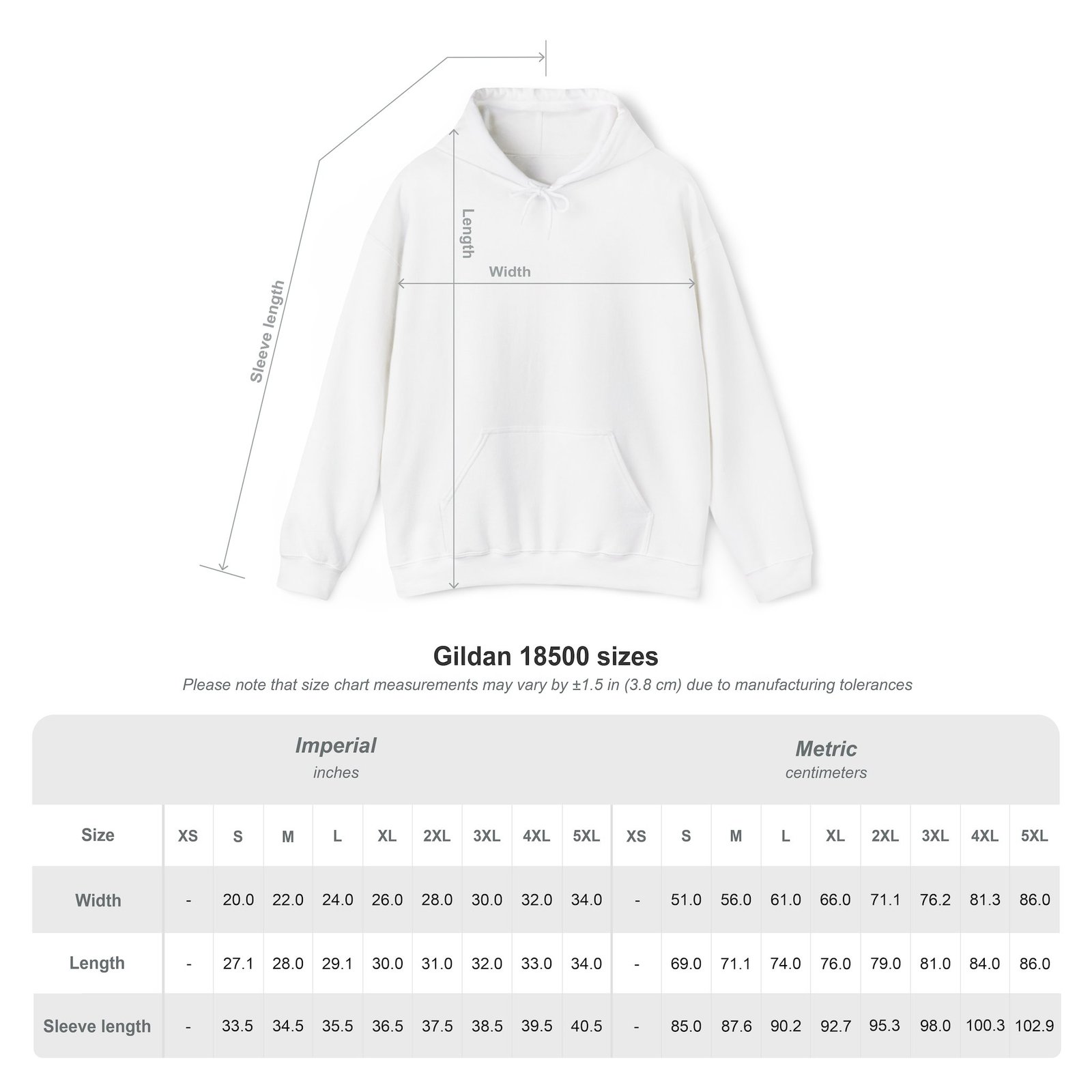
A unisex heavy blend hooded sweatshirt is relaxation itself. The material is a thick blend of cotton and polyester. This makes for a plush, soft feel alongside warmth. It’s also a great surface for printing. There are no side seams. A spacious kangaroo pocket hangs in front. The hood’s drawstring is the same color as the base sweater.
.: 50% cotton, 50% polyester
.: Medium-heavy fabric (8.0 oz/yd² (271 g/m²))
.: Classic fit
.: Tear-away label
.: Runs true to size
| S | M | L | XL | 2XL | 3XL | 4XL | 5XL | |
| Width, in | 20.08 | 22.05 | 24.02 | 25.98 | 27.99 | 29.92 | 31.89 | 33.86 |
| Length, in | 27.17 | 27.95 | 29.13 | 29.92 | 31.10 | 31.89 | 33.07 | 33.86 |
| Sleeve length from center back, in | 33.50 | 34.50 | 35.50 | 36.50 | 37.50 | 38.50 | 39.50 | 40.50 |
Additional information
| Weight | N/A |
|---|
Reviews (0)
Only logged in customers who have purchased this product may leave a review.
Related products



Baby One Piece Suits


Fairytale and Fantasy
House of Eagle – Unisex Hoodie – Cozy Wizarding School Wisdom


Fairytale and Fantasy
House of Badger – Unisex Hoodie – Cozy Wizarding School House Pride


Cult Classic
I Fart in Your General Direction – Unisex Hoodie – Monty Python and the Holy Grail French Taunter
Reviews
There are no reviews yet